Dreaming about a home on Lake Hartwell? The view may draw you in, but the smartest buyers know the real decision goes far beyond the house itself. If you are looking at lakefront property in Hartwell and the 30643 area, you need to understand docks, shoreline rules, water levels, insurance, and community restrictions before you write an offer. A little homework up front can help you avoid costly surprises and make a more confident move. Let’s dive in.
Why Lake Hartwell Buying Is Different
Lake Hartwell is a U.S. Army Corps of Engineers-managed reservoir on the Georgia and South Carolina border, with about 56,000 acres of water and 962 miles of shoreline. That means buying here is different from buying a typical neighborhood home.
With lake property, you are not only evaluating square footage, condition, and price. You are also looking at shoreline allocation, dock authorization, seasonal water levels, flood considerations, and any HOA or covenant rules that may affect how you use the property.
Check Dock Rights First
One of the biggest mistakes buyers make is assuming that every waterfront lot can have a dock. On Lake Hartwell, that is not always the case.
The Hartwell shoreline management program makes it clear that shoreline allocations affect what facilities and activities may be permitted at a site. Some areas do not allow shoreline use permits at all, which means a waterfront parcel is not automatically dockable.
Before you buy, confirm whether the property has an existing authorized dock or whether a dock may be permitted in the future. If a dock is already there, you should also verify that it is properly authorized and not just assumed to transfer without review.
What to verify about a dock
- Whether the shoreline allocation allows a dock permit
- Whether the existing dock is authorized through the Hartwell Project Office
- Whether there is permit history tied to the parcel
- Whether the walkway or utility features are compliant
- Whether the dock electrical system will need updated inspection records
The 2020 shoreline management update added a five-year inspection requirement by a state-licensed electrician for dock electrical systems before permit renewal. It also notes that improved walkways and utility rights-of-way are treated as supporting facilities that can only be permitted if a dock is authorized.
For buyers, that means a dock is not just a nice extra. It is a feature that needs to be checked carefully, just like a roof, septic system, or survey.
Call the Hartwell Project Office Early
If you are serious about a property, contact the Hartwell Project Office before you purchase. The Corps specifically advises prospective buyers to do this before buying property adjacent to the lake.
Have the lot number, subdivision name, street address, and any prior permit information ready. If you want an on-site meeting, the office says to plan ahead because staff are generally booked and may need about two weeks' notice.
This one step can give you clarity on shoreline allocation, dock eligibility, and permit history before you get too far into the process.
Water Levels Affect Daily Use
A beautiful shoreline can look very different depending on the water level. That matters more than many buyers expect.
On April 15, 2026, the Hartwell water-management snapshot showed the lake at 653.50 feet msl, compared with a 660.00-foot guide curve. The Hartwell action-level chart also shows an operating band from 620 to 665 feet msl.
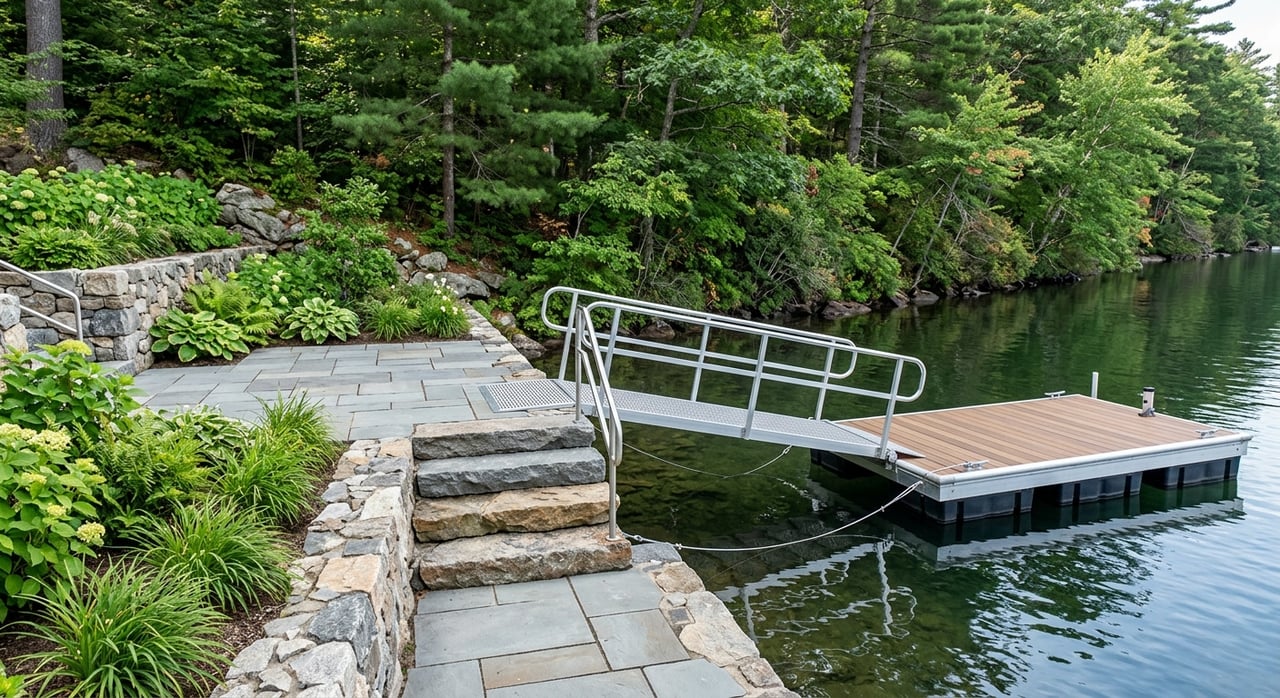
In real life, lower water can change how your dock approach feels, how many steps you need to reach the water, and how usable your swim area or shoreline entry is during certain parts of the year. A property that feels easy and fun at one level may feel much less convenient when the lake is down.
What to look at during a showing
- The slope from the house to the shoreline
- The condition and length of any steps or path
- How the dock sits when water is lower
- Whether the ladder, swim area, or launch access still feels practical
- Whether shoreline access seems manageable for your needs
If possible, visit during a lower-water period. That gives you a better sense of how the property works under less favorable conditions, not just when the lake is at a more comfortable level.
Review HOA Rules and Covenants Carefully
On Lake Hartwell, the HOA or recorded covenants can be just as important as the house itself. These documents may affect exterior changes, common-area use, ongoing fees, and approval requirements.
Under Georgia law, lot owners must comply with lawful provisions in the property owners’ association instrument and reasonable rules provided to owners. When governing documents allow it, associations may enforce rules through damages, injunctive relief, fines, and temporary suspension of certain rights.
Georgia law also recognizes association authority over exterior-appearance approvals when that authority is included in the governing documents. So if you are planning to repaint, add outdoor features, update a driveway, or make other visible changes, you will want to understand those requirements early.
HOA documents to request
- The recorded declaration or covenants
- Current rules and regulations
- The current budget
- Recent meeting minutes
- Assessment history
- Any pending special assessments or major projects
Georgia law now also requires annual member meetings and annual reports on the association’s affairs, finances, and budget projections. For buyers, that makes recent records especially useful when you are trying to understand the full cost and expectations of ownership.
Flood Zones and Insurance Need Early Attention
Lakefront buyers should research flood risk early, not at the end of the transaction. Insurance surprises can create delays and affect your monthly housing cost.
For flood-hazard research, use FEMA’s Flood Map Service Center. Hart County’s own flood map page says its map is approximate only and not intended for building, insuring, or other official purposes.
If the home is in a special flood hazard area, federally backed lenders require flood insurance. Lenders use FEMA’s Standard Flood Hazard Determination Form to make that call.
It is also important to know that flood insurance is usually separate from homeowners insurance. Most homeowners policies do not cover flood damage, and NFIP policies typically have a 30-day waiting period unless an exception applies.
Insurance questions to ask early
- Is the structure in a special flood hazard area?
- Will the lender require flood insurance?
- What will the separate flood policy cost?
- When should coverage be bound to avoid timing issues?
- Does the quote cover the building, contents, or both?
The key here is simple: do not wait until the week of closing to sort this out.
Think Beyond the Existing Home
Many buyers look at a lake property and immediately start imagining additions or improvements. Maybe you want to expand a deck, improve shoreline access, or make changes that go beyond ordinary maintenance.
If that is part of your plan, check with Hart County Planning before you move forward. That office handles building permits, transportation permits, environmental enforcement, and subdivision regulations.
This matters because a property that works for your current needs may not support your future plans in the way you expect. It is always better to confirm what is possible before you buy than to find out later that your options are limited.
A Smart Offer Checklist for Lake Hartwell
Before writing an offer on a Lake Hartwell property in Hartwell or the 30643 area, use this quick checklist:
- Confirm shoreline allocation with the Hartwell Project Office
- Verify whether the dock is authorized and review permit history
- Check for any dock electrical inspection or compliance issues
- Review the property during a lower-water period if possible
- Pull the FEMA flood zone for the structure, not just the lot
- Ask your lender whether flood insurance will be required
- Request HOA documents, budget, minutes, and assessment history
- Check with Hart County Planning if you plan future improvements
This kind of due diligence can protect both your lifestyle and your budget. It also helps you compare properties more clearly when two homes look similar on paper but function very differently in real life.
Buying With Better Local Context
A lake home can be a full-time residence, a second home, or a long-term lifestyle move. Whatever your goal, the right property is the one that matches how you actually want to live, not just how it looks in listing photos.
That is why context matters so much on Lake Hartwell. When you understand shoreline rules, water-level behavior, HOA obligations, and insurance needs before making an offer, you put yourself in a stronger position to buy with confidence.
If you are exploring lake homes and want thoughtful, hands-on guidance through the details, Encore Realty is here to help you navigate the process with the boutique service and local insight that make a difference.
FAQs
Can every waterfront home on Lake Hartwell have a dock?
- No. Shoreline allocations determine what may be permitted, and some areas of Lake Hartwell do not allow shoreline use permits.
What should I ask about a Lake Hartwell dock before buying?
- Ask whether the dock is authorized, whether the shoreline allocation allows a dock, whether there is permit history for the parcel, and whether any electrical or walkway compliance issues need attention.
Why do water levels matter when buying a Lake Hartwell home?
- Water levels can affect dock access, shoreline steps, swim areas, and overall usability during different times of year, so it helps to see the property when the lake is relatively low.
What HOA documents should I review for a Lake Hartwell property in Hartwell, GA?
- Request the declaration or covenants, rules, current budget, recent meeting minutes, assessment history, and details about any pending special assessments or projects.
Do I need flood insurance for a home on Lake Hartwell?
- It depends on the structure’s flood-zone determination and your lender’s requirements. If the home is in a special flood hazard area and the loan is federally backed, flood insurance is required.
Should I check future improvement rules before buying a Lake Hartwell home?
- Yes. If you plan additions, dock-related improvements, or land disturbance beyond ordinary maintenance, check with Hart County Planning before moving forward.