Craving small-town calm without giving up Greenville’s energy? Easley offers that blend: a tight-knit city feel, everyday conveniences, and a quick route into downtown jobs and dining. In this guide, you’ll see what the commute really looks like, what homes cost, how the housing stock feels on the ground, where locals spend weekends, and how Easley stacks up against Simpsonville and Travelers Rest. Let’s dive in.
Where Easley sits
Easley sits in Pickens County within the Greenville–Mauldin–Easley metro, west of Greenville’s core. The city blends a small downtown and mill-era landmarks with suburban neighborhoods and new retail. Public data from the U.S. Census QuickFacts page provides a helpful baseline for Easley’s population, household income, commute time, and owner-occupied housing values. You can use that as a backdrop while you compare neighborhoods and home types. Easley city QuickFacts
Commute and connectivity
If you plan to work or play in Greenville, the drive from Easley is straightforward. Typical trips run about 20 to 30 minutes depending on where you start and the time of day, and TravelMath’s estimate places the drive at around 27 minutes. Census data also lists a mean travel time to work of about 27.0 minutes for Easley residents, which aligns with the lived experience. Always map your specific address and time your route during the hours you care about most.
Your main corridor is US 123, also known as Calhoun Memorial Parkway, which carries most daily traffic into Greenville. Connectors like SC 153 feed newer subdivisions and commercial hubs. Expect peak-hour slowdowns on 123 as a normal part of the commute. Use turn-lane access and frontage connections along 123 to simplify errands on the way home.
Public transit options are limited for most Easley-to-Greenville commuters. Regionally, Greenlink has implemented higher-frequency routes and is pursuing a broader transit development plan, which points to gradual improvements for the metro overall. Recent route-frequency changes are a positive sign, and Clemson-affiliated services provide some regional connections that include Easley stops, but most households rely on cars for daily travel.
Housing snapshot and value
Recent market trackers place Easley’s typical home values in the approximate $290,000 to $325,000 range depending on the data source, the snapshot month, and whether you look at city limits or surrounding ZIP codes. These tools use different methods and time frames, so numbers vary. For the most precise read on medians and inventory by neighborhood, use current MLS data.
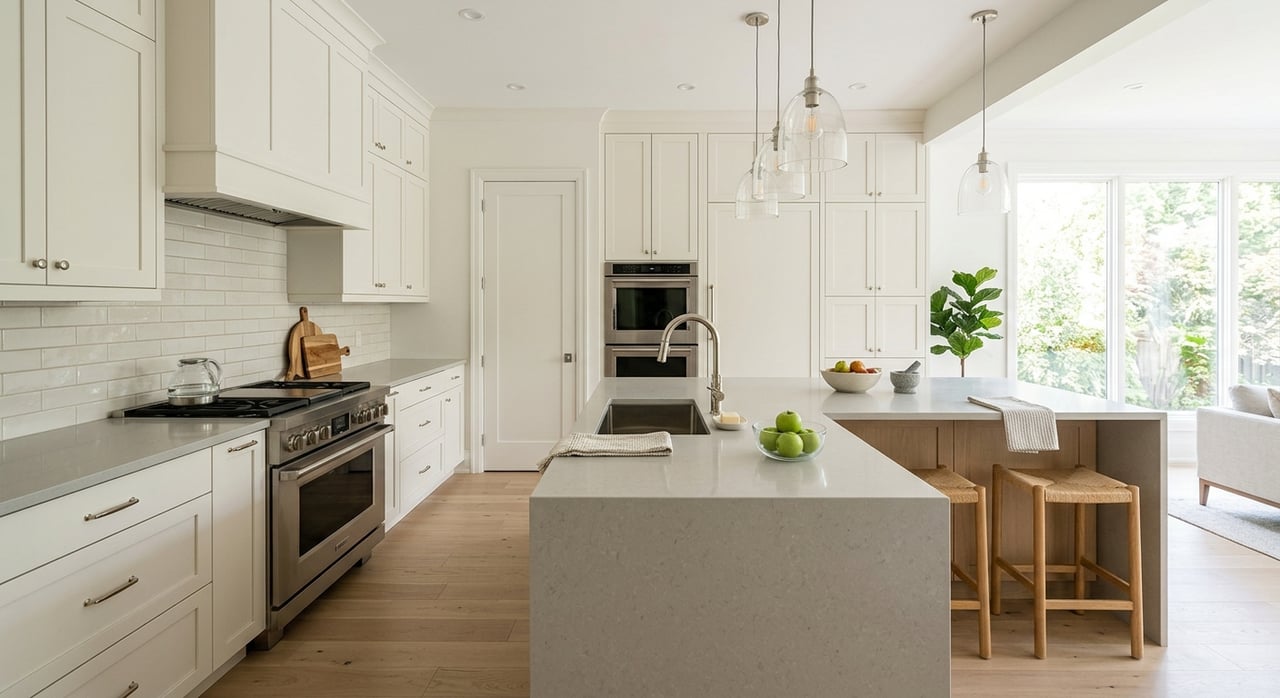
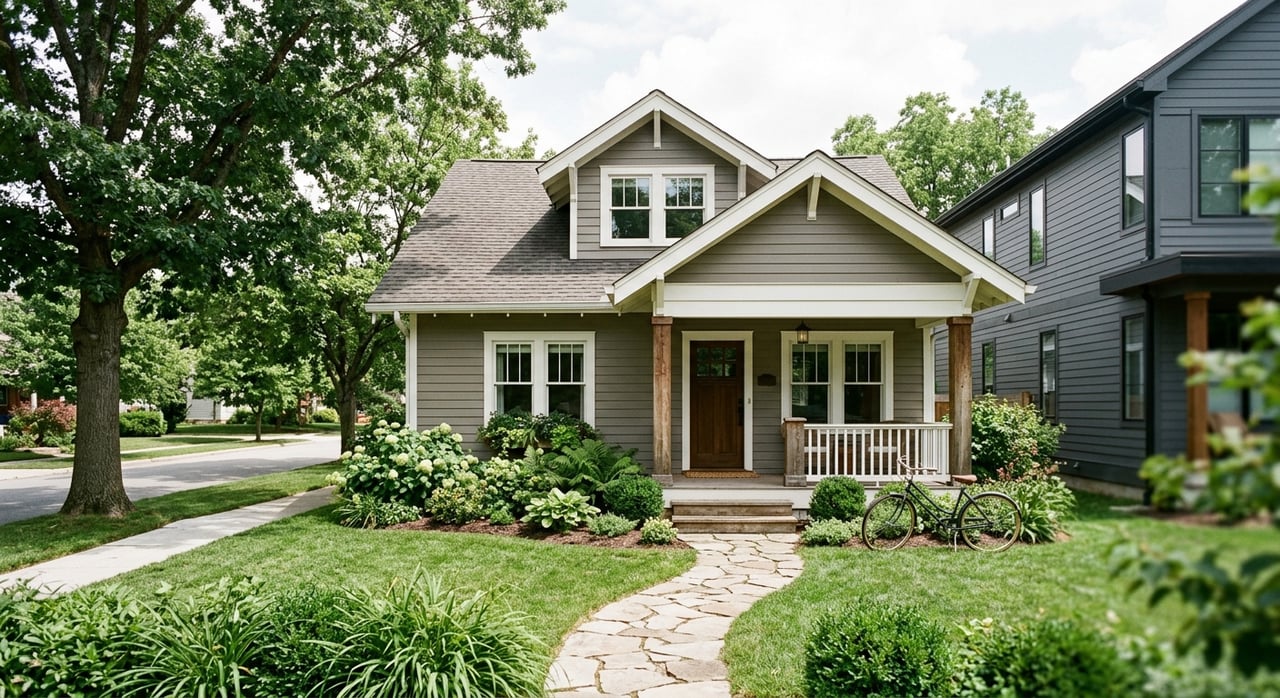
You’ll find variety across the city. Downtown and close-in streets feature older cottages and bungalows, while many established neighborhoods have mid-century ranches and split-levels. On the edges, you’ll see newer subdivisions, townhome clusters, and infill construction, which appeals if you want modern plans and lower maintenance. A regional community overview echoes that mix of historic homes and newer builds, which helps Easley serve a wide range of buyers. Easley community overview
What this means for you
- If you are watching the bottom line, Easley often delivers a lower price per square foot compared with several Greenville-area suburbs.
- If you want a newer home, you can find recent construction in subdivisions just outside the core, plus townhomes for easier upkeep.
- If you love character, explore the older streets near downtown where cottages and ranch homes offer charm and established trees.
Everyday conveniences
You will not feel far from daily needs here. Retail clusters concentrate along the SC 123 corridor, where an expanding mix of anchors and outparcels serve grocery, dining, and services. A commercial flyer highlights Easley Town Center as one of those hubs, part of the corridor’s growing tenant lineup. If you want an easy weekly routine, living within a couple of turns of 123 keeps errands quick. Easley Town Center retail hub
Downtown shows its mill-town roots with converted structures and local businesses. You’ll see ongoing redevelopment energy around landmark sites and silos, which adds texture to the streetscape and gives weekend strolling options without a long drive.
Parks, trails, and events
Easley’s signature outdoor feature is the paved, rails-to-trails Doodle Trail, which runs roughly 7.5 to 8 miles between Easley and Pickens. The Easley trailhead at Doodle Park includes a playground, fitness equipment, shelters, and restrooms, so it’s easy to make a short ride or a full afternoon of it. Doodle Trail and Doodle Park
Sports are a big community thread as well. The J.B. “Red” Owens Sports Complex hosts baseball and regional tournaments, and local parks give you a mix of fields and playgrounds for unstructured time outside. When you want something seasonal, the city runs a farmers market with weekend dates and vendor rules published ahead of time, and the Greater Easley Chamber organizes downtown happenings like the holiday parade and Fourth of July festivities. Easley seasonal farmers market details
Schools and education
Easley is served by the School District of Pickens County. District communications and state report cards show district-level results that are at or above statewide averages in many tested areas in recent cycles. Easley High is the primary local high school, and families often review Advanced Placement, career and technical education, and dual-credit opportunities when comparing campuses. For the latest data and to confirm attendance zones and program offerings, go directly to district and state resources. SDPC: district outcomes and school links
Use school pages and the state report-card portal to page through current-year test indicators and graduation rates. Because assignments and programs can change, verify details before you make a decision on a specific property.
Easley vs Simpsonville vs Travelers Rest
You may be weighing Easley against other Greenville-area towns. Here is a simple, apples-to-apples way to think through the decision:
- Price and product. Recent market snapshots suggest Easley is generally more affordable than many areas of Simpsonville, while Travelers Rest often commands higher medians for homes near its walkable core. These differences reflect Simpsonville’s large suburban inventory and Travelers Rest’s strong Main Street and foothills access.
- Commute feel. From Easley, a 20 to 30 minute drive into downtown Greenville is common using US 123. Commute patterns vary by neighborhood in every town, so map your exact address and time it during your preferred hours.
- Lifestyle texture. Easley blends small-city convenience with a quieter downtown and the Doodle Trail connection to Pickens. Simpsonville reads more suburban with established subdivisions and shopping nodes. Travelers Rest offers a Main Street, dining, and mountain-access identity, which many buyers value, often at a premium compared with Easley.
How to decide if Easley fits
Use this quick, practical checklist while you explore:
- Test the commute. Drive your exact route to downtown Greenville during peak and off-peak hours. Note where US 123 slows and whether frontage access helps with errands.
- Compare homes by era. Tour an older cottage or ranch near downtown, then a newer subdivision or townhome. Decide whether character or low maintenance matters more.
- Check the numbers. Review current MLS data for medians, days on market, and inventory by neighborhood. Snapshot sites vary, so treat them as directional.
- Walk the parks. Ride a short segment of the Doodle Trail from Doodle Park, then visit J.B. “Red” Owens Sports Complex to get a feel for weekend routines.
- Verify school info. Use district and state resources to confirm attendance zones and program details for the coming year.
Work with a local guide
When you want small-town ease with Greenville access, Easley deserves a spot on your short list. From housing options across budgets to short commutes and a true community calendar, it is a smart, balanced choice. If you are ready to tour homes, compare neighborhoods, or time the commute from a specific address, our team is here to help you move with confidence. Connect with Encore Realty to start your search or get a free home valuation.
FAQs
How long is the Easley-to-Greenville commute on a typical day?
- Most drivers see about 20 to 30 minutes one way, with common estimates around 27 minutes depending on origin, destination, and traffic along US 123.
What are typical Easley home prices right now?
- Recent snapshots place typical values roughly between $290,000 and $325,000, with variation by data source, time frame, and whether you look in-city or nearby ZIP codes.
What public transit options serve Easley commuters?
- Regional transit is expanding, but direct, frequent fixed-route service from Easley to downtown Greenville remains limited, so most households rely on cars for daily travel.
Which school district serves Easley and how do I research it?
- The School District of Pickens County serves Easley; use district and state report-card resources to confirm attendance zones, programs, and current-year performance.
What are Easley’s standout parks and trails?
- The Doodle Trail and Doodle Park anchor recreation, and J.B. “Red” Owens Sports Complex hosts sports and tournaments, with other city parks for everyday play.
Where are the main shopping areas in Easley?
- Retail clusters along the SC 123 corridor, including Easley Town Center, provide grocery, dining, and services that keep daily errands quick and convenient.