If you have been hearing more about Fountain Inn lately, there is a good reason. This is a place where a long-established downtown, older neighborhoods, parks, and new development are all shaping the local housing story at the same time. If you are thinking about buying or selling here, understanding how those pieces fit together can help you make a more confident move. Let’s dive in.
Why Fountain Inn stands out
Fountain Inn has deep roots that still show up in the way the city looks and functions today. The town began as a stagecoach stop around 1820, was chartered in 1886, and took its name from a natural spring and inn that served travelers, according to the National Register documentation on the historic district.
That history is not just a footnote. The city’s planning framework identifies a defined Historic Downtown Core and treats preservation of downtown scale, form, and streetscape character as part of its long-term growth strategy, as outlined in the INNvision comprehensive planning documents. In practical terms, that means Fountain Inn is growing while still trying to protect the look and feel that make it recognizable.
Historic charm in daily life
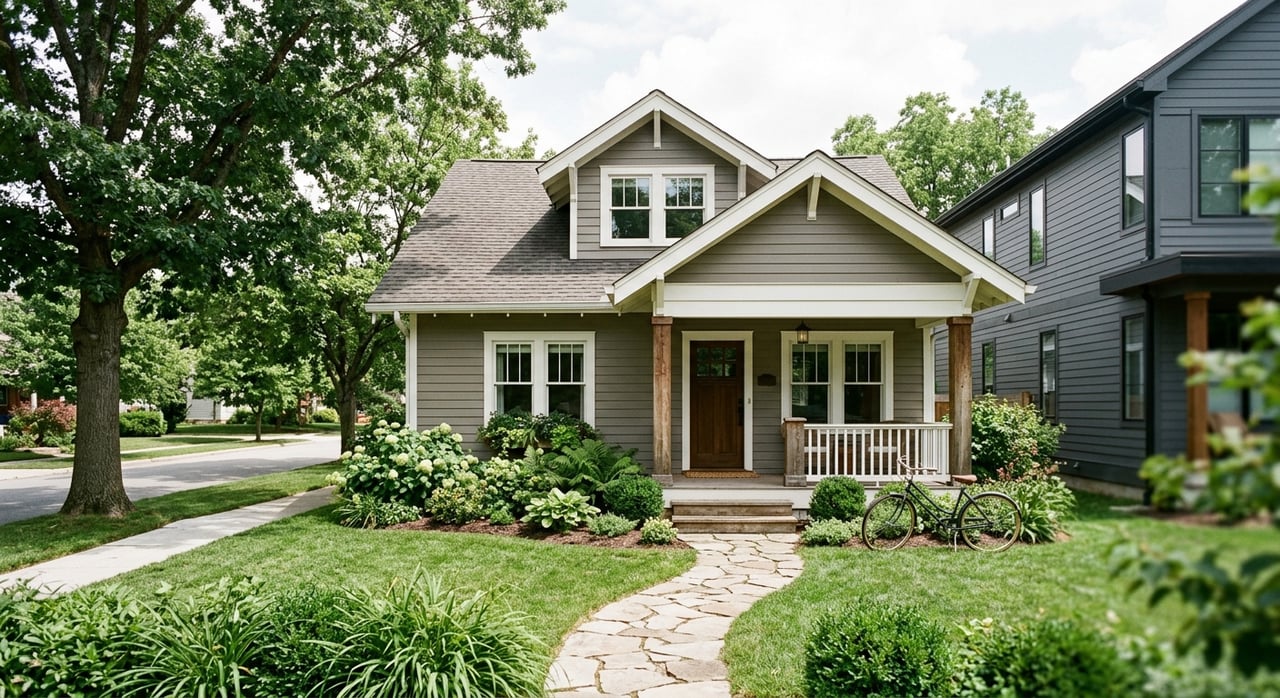
One reason Fountain Inn feels distinct is that its historic character is woven into everyday places, not limited to one landmark. The planning and historic records point to restored Main Street buildings, older homes north of downtown, the intact Woodside Mill Village, and reused community landmarks like the Younts Center for the Performing Arts and Robert Quillen’s library in the historic district report.
For you as a buyer, that can translate into a more established street pattern, mature areas near downtown, and a town center with visible history. For you as a seller, it helps explain why location within or near the downtown core may appeal to buyers looking for character, walkable amenities, and a sense of place.
Downtown remains a priority
Fountain Inn’s downtown is not standing still. The city says many Main Street buildings have been restored for retail, restaurant, and office use, and it continues to support that environment through downtown-focused initiatives and investment.
The city’s economic development page reports that downtown includes a hospitality district, while its Main Street grant program supports façade improvements, outdoor expansion, and outdoor seating within the historic downtown program area. Those efforts help reinforce a polished, pedestrian-friendly setting that adds to downtown’s appeal.
New growth is real
Fountain Inn’s recent growth is more than local buzz. The U.S. Census Bureau QuickFacts page estimates the city’s population at 13,786 as of July 1, 2024, which is 32.4% above the April 1, 2020 estimate base.
The city’s 2024 comprehensive plan also notes significant growth over the last five years and projects more growth ahead. Together, those sources show that Fountain Inn is in an active expansion phase, which matters whether you are trying to enter the market, time a sale, or compare this area with other Upstate communities.
Where growth is happening
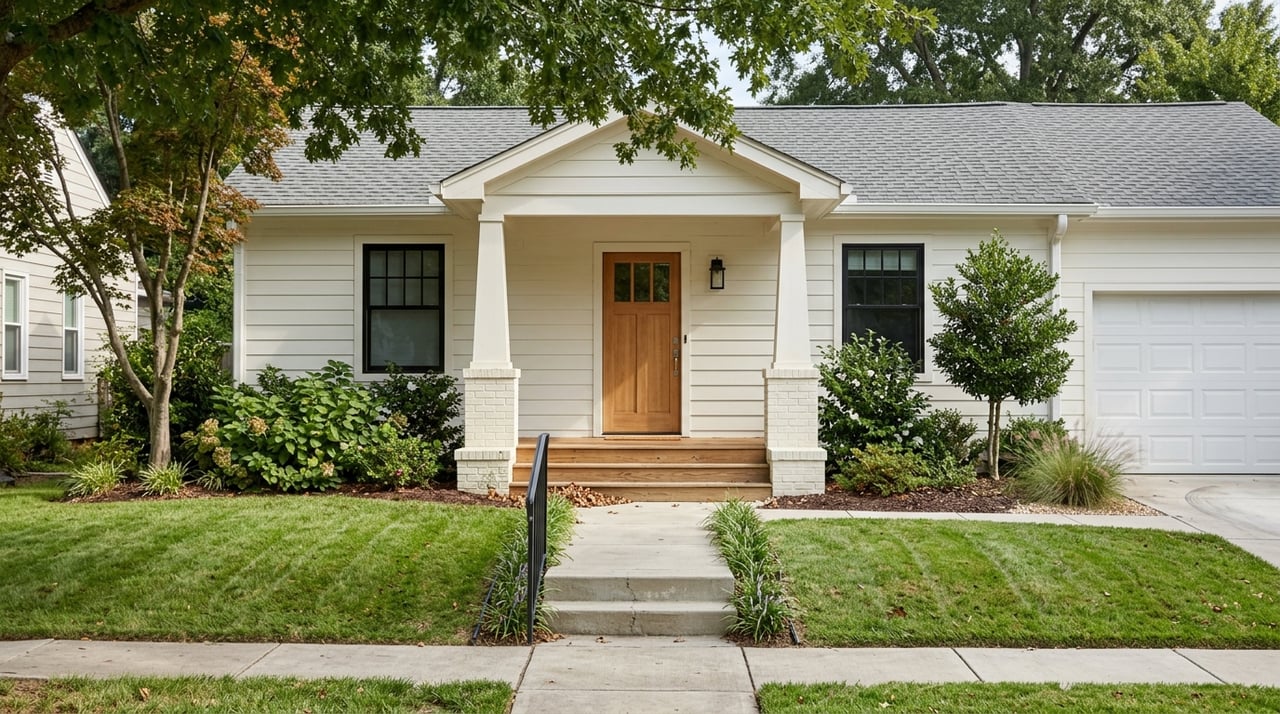
The housing pattern in Fountain Inn helps explain why the city can feel both established and newly developing. According to the city’s comprehensive plan, nearly 80% of homes were built before 1979, while newer subdivisions are concentrated mostly on the north side of the city.
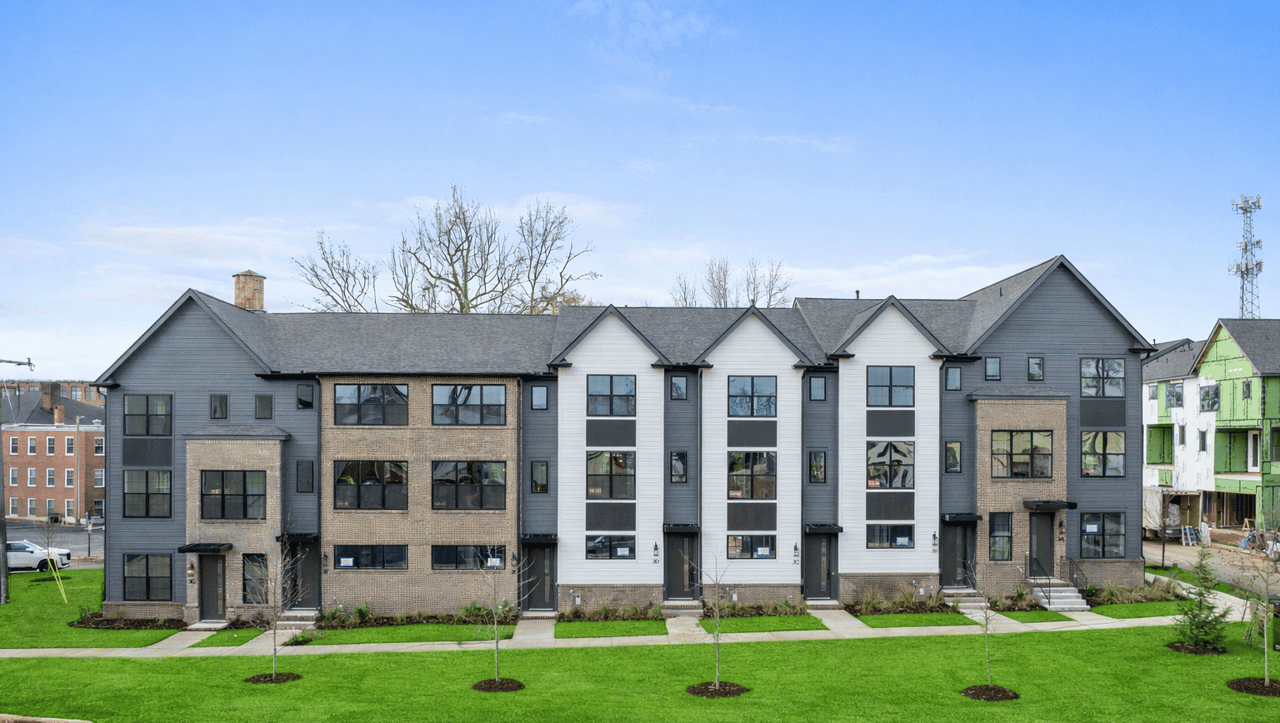
The same plan says some higher-density development has been built or is under construction closer to I-385. That means buyers may find a wider mix of housing settings here, from older homes near the historic core to newer neighborhood options and corridor-oriented development near major transportation routes.
I-385 shapes the market
Access is a major part of Fountain Inn’s growth story. The city plan places Fountain Inn along the I-385 corridor, with connections to Greenville and to I-26 toward Columbia and Charleston, and notes that downtown can be reached from multiple exits.
That kind of connectivity often affects how people shop for homes. If you want a smaller-town setting with regional access, Fountain Inn’s location can make it easier to balance daily travel needs with a more local lifestyle. It also helps explain why commercial activity and industrial operations are concentrated near the interstate while Main Street maintains a more traditional downtown pattern.
Parks and recreation add value
Fountain Inn’s appeal is not only about historic buildings and new rooftops. Public spaces and recreation are a visible part of daily life here, and they add depth to the local lifestyle story.
The city says Fountain Inn has six public parks, more than 4 miles of walking trails, over 50 acres of parkland, and an indoor activities center. Named public spaces include Emanuel Sullivan Park, Sanctified Hill Park, PD Terry City Park, Country Chase Fitness Park, Georgia Street Park, and Fairview Street Park.
For buyers, that variety can mean easier access to trails, playgrounds, courts, fields, and open space. For sellers, nearby parks and trail connections can be part of the broader context that helps buyers understand how a home fits into everyday life.
Events help energize downtown
Fountain Inn also uses events and community programming to activate its public spaces. The city says it hosts festivals, farmers markets, and music concerts throughout the year that draw more than 35,000 visitors annually, according to its quality-of-life overview.
That same city page notes that the Swamp Rabbit Trail attracts about 250,000 visitors a year and that the CCNB Amphitheatre is about 3 miles from downtown. For many buyers, those details make Fountain Inn feel more connected and active than they might expect from a smaller city footprint.
Investment is reshaping downtown
One of the clearest signs of Fountain Inn’s momentum is the amount of visible public and private investment underway. The city’s Main Street Streetscape Project update says that as of February 12, 2026, hardscape and paving were complete and the streetlights were operational.
The same project page says a downtown parking lot at Jones and Wall Streets is scheduled to begin in June 2026 and add about 61 spaces. The city also says the 101 S. Main redevelopment will bring a new retail project of up to 8,779 square feet with room for about three tenants.
More projects support future growth
Additional projects point to a broader, managed-growth approach. The city’s SpringHill Suites update page says a 109-room SpringHill Suites by Marriott is planned for 300 Jones Street, and it also outlines plans for a new Municipal Complex to better accommodate rapid growth.
That same update notes the Swamp Rabbit Trail extension is moving ahead with a planned Spring 2026 completion and is intended to connect neighborhoods, schools, parks, and the city limits. When you step back, these projects suggest that Fountain Inn is not just adding homes. It is also adding infrastructure, parking, civic capacity, lodging, and trail connectivity.
What this means for buyers
If you are considering Fountain Inn, the big takeaway is choice. You may find older housing near the historic core, established neighborhood settings, newer subdivisions on the north side, and development tied more closely to I-385 access.
Your decision may come down to what matters most in daily life, such as proximity to downtown, access to parks and trails, housing age, lot style, or convenience to regional routes. A clear local strategy matters here because one part of Fountain Inn can feel quite different from another.
What this means for sellers
If you own a home in Fountain Inn, your property sits within a market shaped by both heritage and momentum. Buyers are not only evaluating square footage and finishes. They are also looking at how a home connects to downtown improvements, recreation, access routes, and the city’s broader growth story.
That is why strong local positioning matters. Marketing that explains a home within the context of Fountain Inn’s established character, current investment, and evolving housing mix can help buyers see the full value of what you are offering.
Why local guidance matters
Fountain Inn is easy to oversimplify. It is not only a historic small town, and it is not only a fast-growing corridor community. It is both, and that combination is exactly what makes it worth understanding before you buy or sell.
If you want help making sense of Fountain Inn’s neighborhoods, housing options, and market positioning, connect with Encore Realty. Our team brings local insight, personalized guidance, and polished marketing support to help you move with confidence.
FAQs
What makes Fountain Inn’s historic character different from other growing Upstate areas?
- Fountain Inn’s planning documents identify a formal Historic Downtown Core, and city growth strategy emphasizes preserving downtown scale, form, and streetscape character while the city continues to grow.
How fast is Fountain Inn, SC growing?
- The U.S. Census Bureau estimates Fountain Inn’s population at 13,786 on July 1, 2024, which is 32.4% above the April 1, 2020 estimate base.
What kinds of homes are common in Fountain Inn?
- According to the city’s comprehensive plan, nearly 80% of homes were built before 1979, while newer subdivisions are mostly on the north side and some higher-density development is closer to I-385.
What amenities does Fountain Inn offer for daily life?
- The city reports six public parks, more than 4 miles of walking trails, over 50 acres of parkland, an indoor activities center, and year-round events like festivals, markets, and concerts.
Why does I-385 matter when buying in Fountain Inn?
- The city’s planning documents show that Fountain Inn’s I-385 access supports connections to Greenville and other regional routes, which helps shape commuting patterns, commercial growth, and housing demand.
What new development is happening in downtown Fountain Inn?
- Current city project pages show completed streetscape work elements, a planned downtown parking lot, the 101 S. Main retail redevelopment, a planned SpringHill Suites hotel, and a Swamp Rabbit Trail extension in progress.